Electrical Permits: Why They Matter for Safety & Code
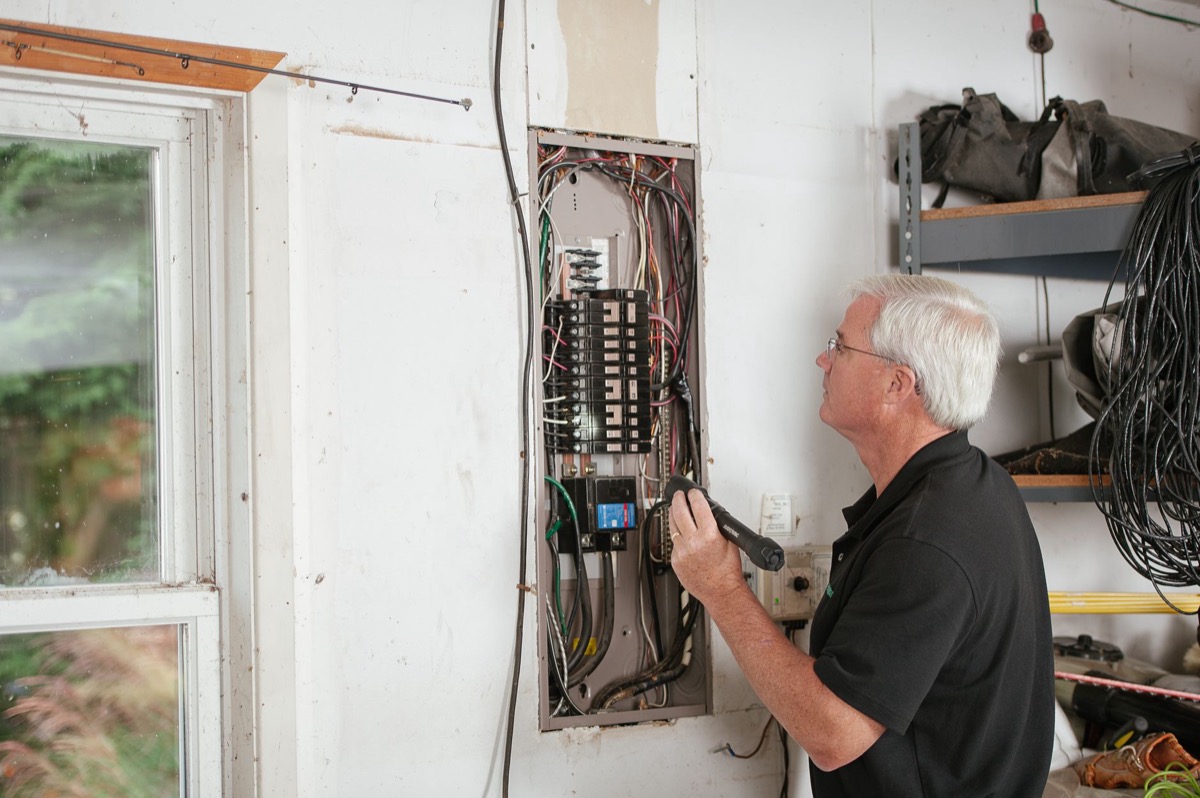
Recent warnings, such as those regarding unpermitted electrical work drawing safety concerns in South Carolina reported by The Post and Courier, highlight a critical, often overlooked aspect of home improvement: electrical permits. Whether you're undertaking a DIY renovation or hiring a professional, understanding electrical permit requirements is not just a bureaucratic hurdle; it's a fundamental step toward ensuring safety and compliance.
This guide explains why electrical permits matter, which projects typically require them, and how to navigate the permit process to protect your home and loved ones.
Why Electrical Permits Are Non-Negotiable for Safety
The primary reason for electrical permits is safety. Improper electrical installations pose significant hazards, including fire, electric shock, and even electrocution. Official permits ensure that all work is reviewed and inspected by qualified authorities, verifying compliance with established safety standards.
- Risk Mitigation: Permits ensure adherence to the National Electrical Code (NEC), a comprehensive set of standards designed to safeguard persons and property from electrical hazards. This code is updated regularly to incorporate the latest safety practices.
- Professional Oversight: When a permit is issued, it typically mandates inspections at various stages of the electrical project. These inspections, conducted by licensed electrical inspectors, act as a vital checkpoint, catching errors that even experienced DIYers or contractors might overlook.
- Preventing Catastrophes: Faulty wiring, incorrect grounding, or overloaded circuits can lead to devastating consequences. Permits are a proactive measure to prevent these issues from ever arising, protecting your property value and, more importantly, the lives within it.
Common Projects That Require Electrical Permits
While local regulations vary, many common electrical projects almost universally require a permit. Generally, if the work involves altering existing wiring, adding new circuits, or upgrading service, a permit is likely necessary. Here are some examples:
- New Circuit Installation: Adding new outlets, light fixtures, or appliance circuits (e.g., for a new washing machine or microwave).
- Service Panel Upgrades: Increasing the amperage capacity of your electrical service panel or replacing an outdated one.
- Major Appliance Installation: Wiring for large, dedicated appliances like electric vehicle (EV) chargers, central air conditioning units, or hot tubs. Consider using our EV charger wire size calculator to ensure proper sizing for such installations.
- Basement Finishing or Additions: Any new electrical wiring or changes to existing systems in newly constructed or renovated spaces.
- Rewiring: Replacing old, knob-and-tube or aluminum wiring with modern copper wiring. See our page on Copper vs Aluminum Wire for more information.
- Generators and Transfer Switches: Installation of generators and their transfer switches for backup power.
It's always best to consult your local building department or a qualified electrician before starting any project to confirm specific permit requirements.
Navigating the Electrical Permit Process and Code Requirements
Understanding the permit process ensures your project runs smoothly and meets all legal and safety benchmarks. While specifics vary by jurisdiction, the general steps are similar:
- Identify the Authority: Determine which local government agency (city, county building department, or planning department) handles electrical permits in your area.
- Research Requirements: Inquire about specific code editions adopted locally, application forms, fees, and required documentation (e.g., electrical diagrams, load calculations). Our Breaker and Load Calculation Basics can help you prepare this essential documentation.
- Apply for the Permit: Submit your application, plans, and fees. This may involve demonstrating competence if you're a DIYer (some jurisdictions may require homeowner permits to be done by the owner-occupant).
- Schedule Inspections: Once the work is ready, schedule the necessary inspections. Typically, there's a rough-in inspection before walls are closed up and a final inspection upon completion.
- Receive Approval: After passing all inspections, your permit will be closed and approved, signifying that the work meets all applicable codes and safety standards.
Proper wire sizing is a common requirement in permit applications. Our free wire size calculator can assist you in determining the correct wire gauge for your specific load, ensuring compliance with NEC ampacity tables.
The Legal and Financial Consequences of Unpermitted Work
Beyond the immediate safety risks, skipping electrical permits can lead to severe legal and financial repercussions:
- Fines and Penalties: Local authorities can issue substantial fines for unpermitted work and may require you to open walls and expose the work for inspection, often at your own expense.
- Insurance Issues: Homeowner's insurance policies may not cover damages (e.g., fire) resulting from unpermitted or uninspected electrical work, leaving you personally liable for repairs and losses.
- Difficulty Selling Your Home: During a home sale, unpermitted work often surfaces during inspections and can derail the sale. Buyers may demand that the work be brought to code and permitted, or they may back out of the deal.
- Forced Removal/Rework: In some cases, authorities can demand that unpermitted work be completely removed or redone by a licensed professional to meet current code, leading to significant unexpected costs.
- Voided Warranties: Many product warranties require professional, permitted installation. Unpermitted DIY work might void these warranties.
Ultimately, the small cost and effort of obtaining a permit are a worthwhile investment in the safety, legality, and long-term value of your property.
Copper THHN ampacity at 75°C by AWG (NEC 310.16)
Key Takeaways
- Electrical permits are primarily for safety, ensuring installations meet the National Electrical Code (NEC) to prevent hazards.
- Many common projects, like adding circuits, panel upgrades, and EV charger installations, typically require permits.
- The permit process involves researching local requirements, applying, and undergoing inspections by qualified authorities.
- Skipping permits can lead to severe consequences, including fines, denied insurance claims, and difficulty selling your home.
- Always consult your local building department or a licensed electrician before starting electrical work to confirm permit needs.
Try It Yourself — Free
Before you begin any permitted electrical project, make sure your wire sizes are compliant. Our free wire size calculator can help you quickly determine the correct gauge for your application. You might also find our guide on Grounding and Bonding Basics helpful for ensuring a safe and compliant installation.
Related Resources
- Breaker and Load Calculation Basics
- Copper vs Aluminum Wire
- Ev Charger Wire Size Calculator
- Ev Charger Wire Size Guide
- Complete Guide
More From Our Network
- Duct Size Calculator — same niche
- cyberfrad — our network
Sources
- The Clarion-Ledger — Original report
- National Fire Protection Association (NFPA) — The National Electrical Code (NEC) provides standards for electrical installations to safeguard persons and property.